Ready to automate your workflow?
Assembly and machine tending
Robotics in Manufacturing
Grippers and cells on stations where the part is known and the cycle repeats thousands of times a shift. Jaw geometry is cut against that one part.
.svg)
.svg)
Grippers and cells on stations where the part is known and the cycle repeats thousands of times a shift. Jaw geometry is cut against that one part.
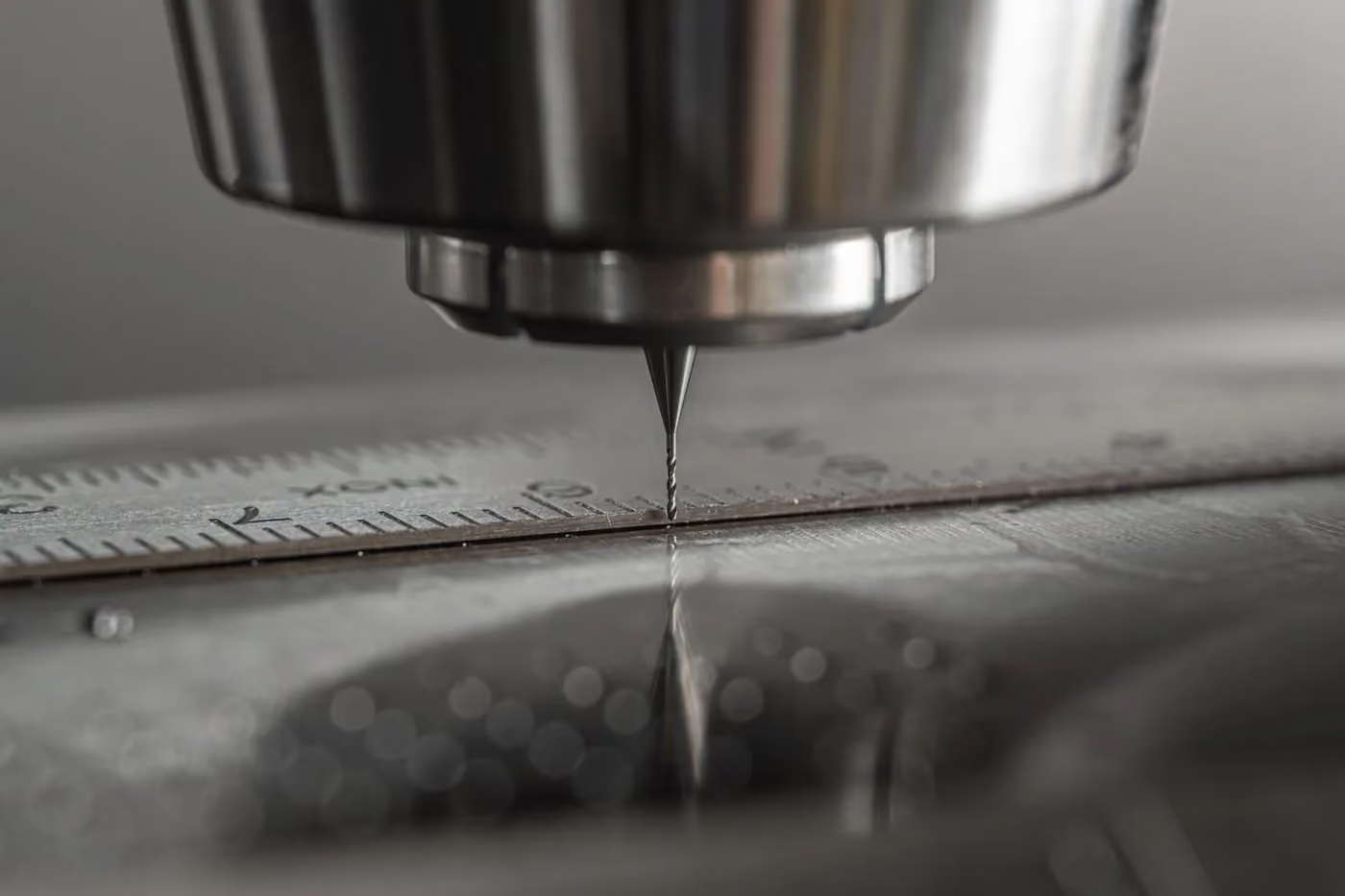
The station picks a known part off a fixture or a machine table and puts it somewhere exact, thousands of times a shift. Nothing about the geometry changes between cycles, which is why the tooling can be cut for one part number rather than made adjustable.
Most of these stations are machine tending: the robot loads a machine, waits, unloads and stacks. The gain is not speed. It is that the machine stops waiting for someone to walk back to it.
.svg)

The part decides everything. Weight sets payload, finish sets the contact material, and tolerance sets how much of the position the gripper has to guarantee rather than the fixture.
Cycle time is set by the machine, not by us. We build to hold the rate the slowest machine in the cell can take, and we say what that is before the order rather than after.
Guarding follows ISO 10218, with the assessment written for that cell — the operator is still loading the input pallet.
Usually a two-finger gripper on a wrist you already own, or a complete cell where there is no robot yet. Both arrive with the jaws cut and the cycle already run on our bench.
The retrofit happens across a maintenance window. Signals use your existing tag names, and the as-built drawings go into your maintenance folder on the day the station first runs production.

Industry
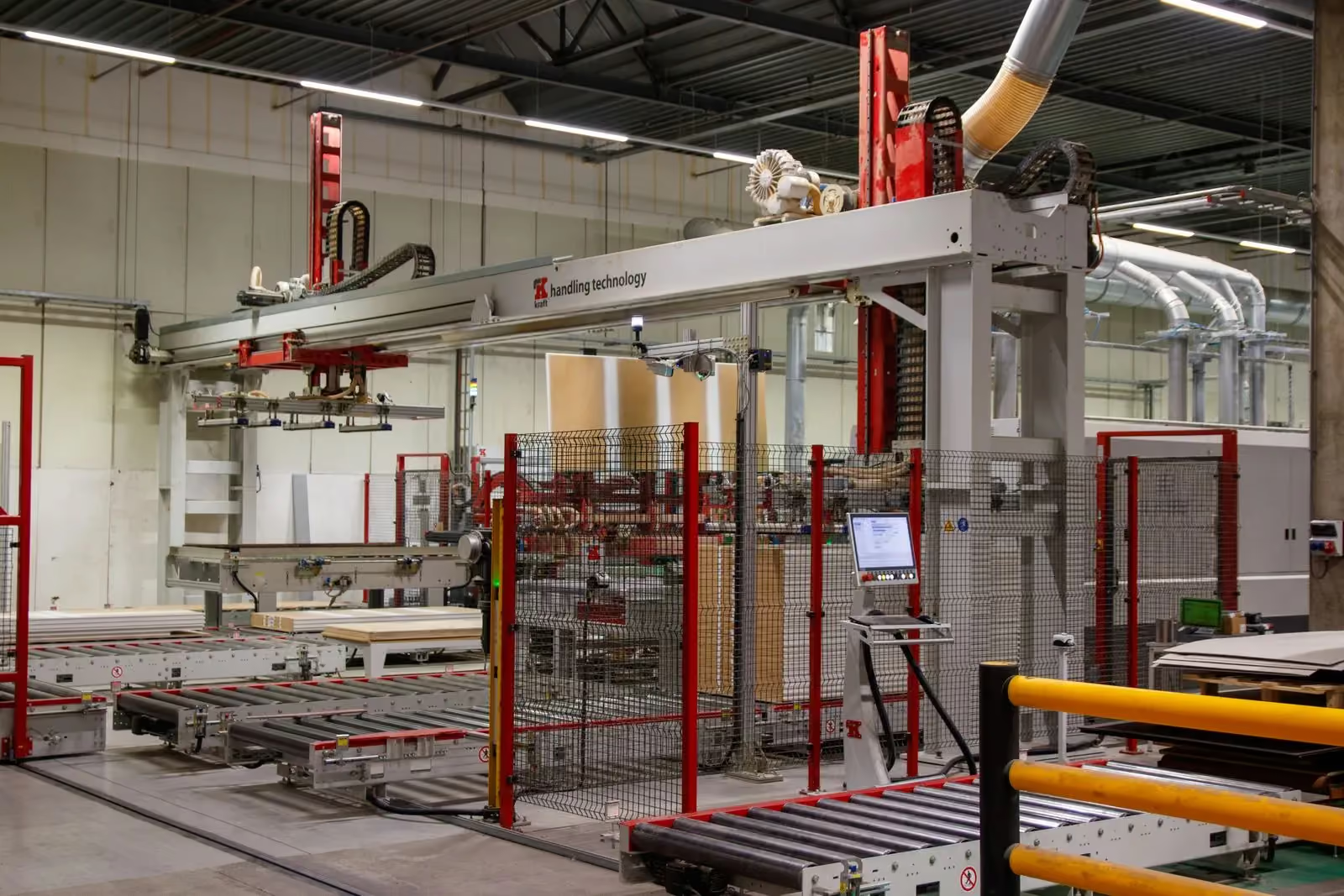
Industry
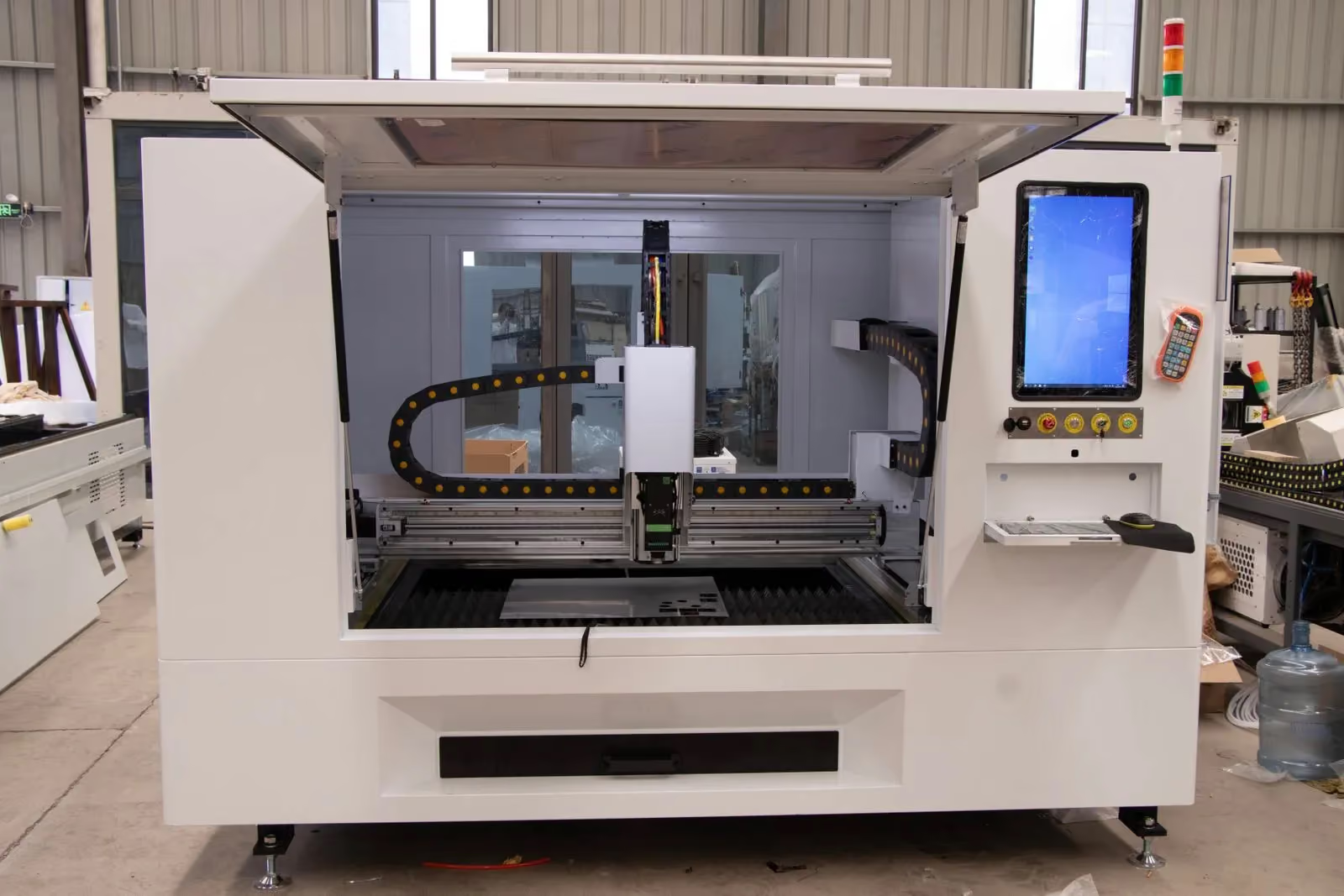
Industry
What engineers ask us whatever floor they run.
Can one supplier cover several of our plants?
.svg)
Who writes the safety assessment?
Do you visit the site before quoting?
What happens if our part changes next year?
Can you work to our plant's own standard?
Do you work outside these five industries?


.svg)
.svg)
.svg)
.svg)
.svg)
.svg)
.svg)