Ready to automate your workflow?
Integrated Automation Systems
.svg)

.svg)
.svg)
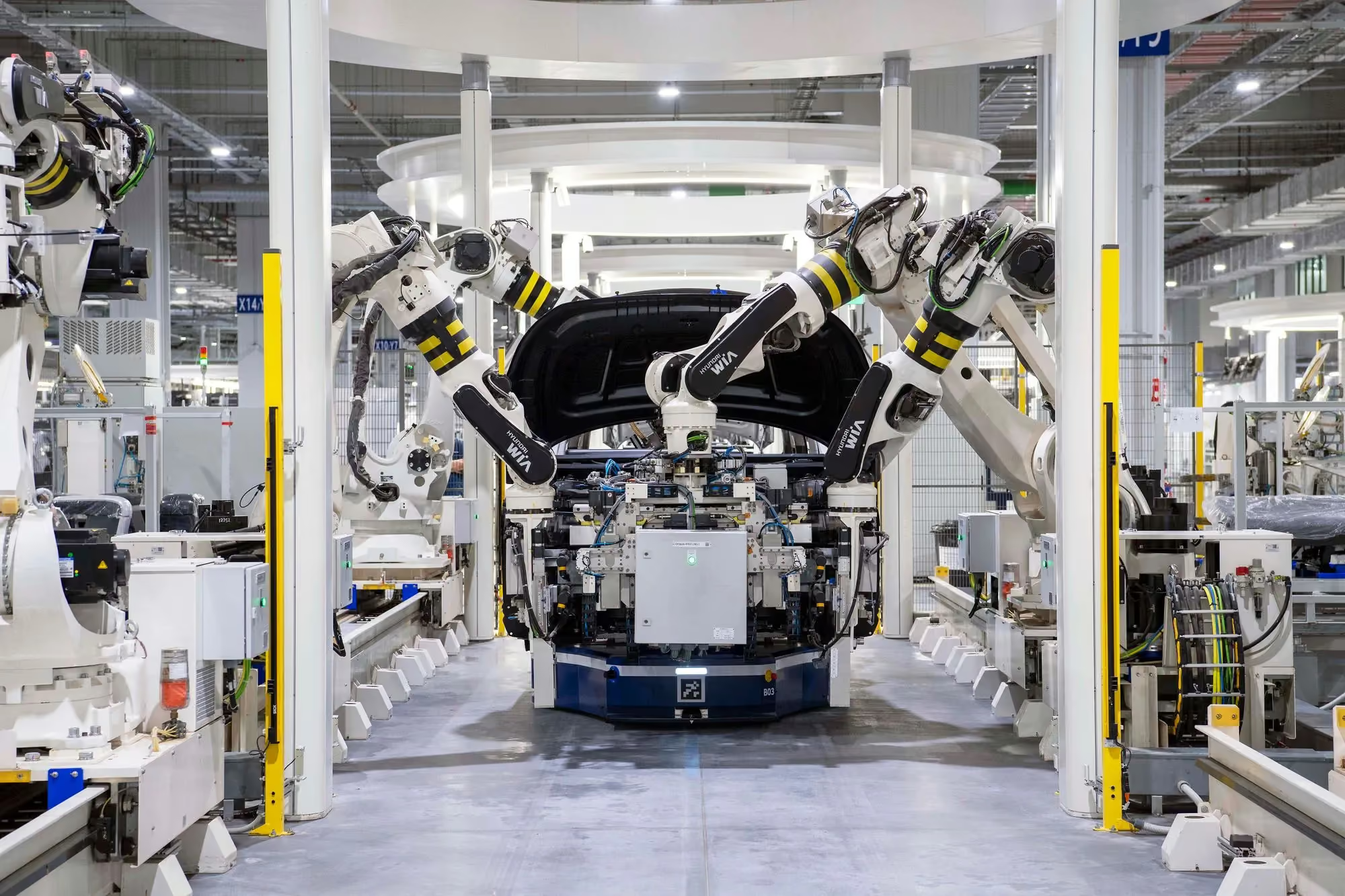
An integrated cell is a layout problem before it is a robot problem. Where the operator stands, how the parts arrive, and what happens when something jams decide more about output than the arm in the middle does.
We design the cell around the line you already run. Guarding, feeding, controls and safety are drawn together, built on our floor, and only then moved to yours.
Output is agreed before the build starts. The target rate, the changeover time and the acceptance test go into the order, so at handover there is a figure to sign against rather than an impression of how well the week went.
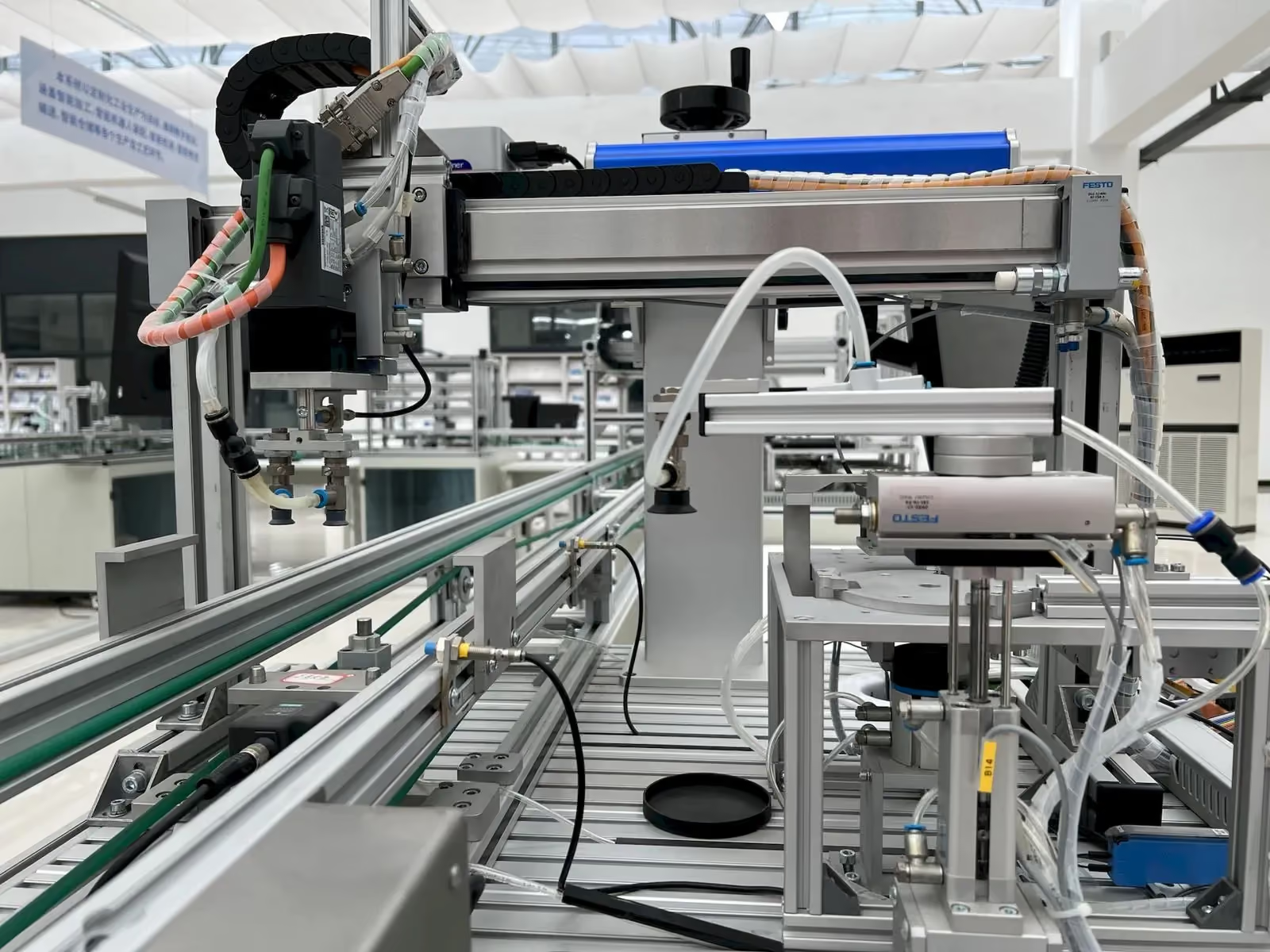
The cell is assembled and run at our works with your parts, at your rate, for as long as it takes to see what fails. Problems found on our floor cost a day; the same problems found on your floor cost a shift.
When it moves, it moves as a commissioned unit. We do not hand over on installation day. We hand over once the cell has held its agreed rate across a full production shift, run by your people rather than by ours.
Installation is scheduled around your production, not around ours. Most cells go in across a planned shutdown or a weekend, and the stations either side keep running while the guarding goes up.
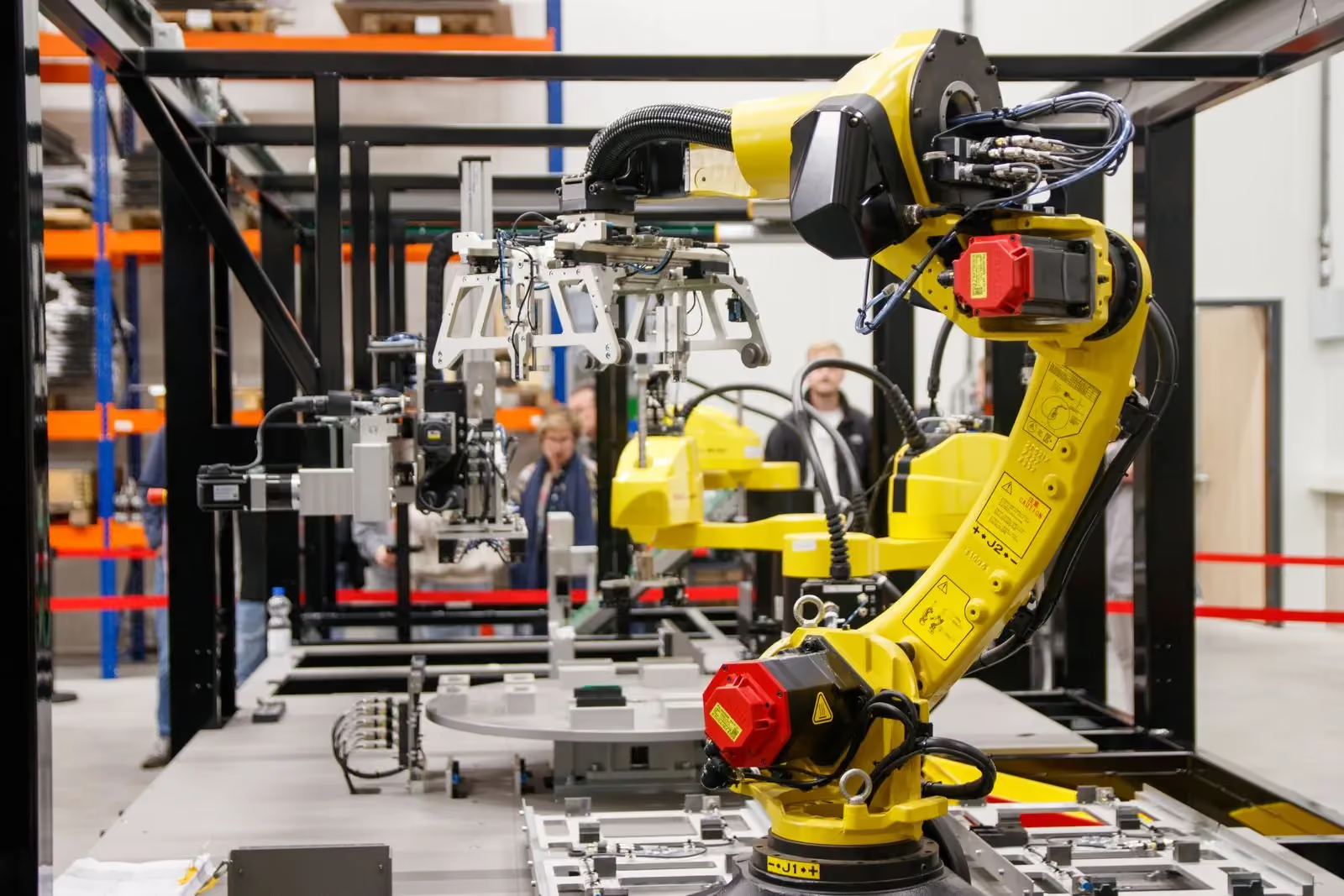
Footprint, reach study and part flow drawn against your existing floor and access routes.
Fencing, light curtains and interlocks specified to the risk assessment for that cell.
Robot, PLC and safety tied into your stack, using your existing addressing and tag names.
On-site build, rate testing and operator handover, included in the price rather than invoiced after.
Start-up, changeover and fault recovery written for the people on shift, not for engineers.
Each cell carries its own risk assessment, and the guarding is specified from that document rather than from a standard kit. Interlocks, stop categories and reach are checked on the built cell, not on the drawing.
The handover pack holds the assessment, the ISO 10218 file, the electrical drawings and the maintenance intervals. Your engineers can open the cell and work on it without calling us first.
Where a cell alters an existing line rather than replacing it, the assessment covers the whole changed area and not only the new equipment. That is the part most often skipped, and it is the first thing an inspector asks to see.
What engineers usually ask us before they send a part over.
Is the safety documentation included?
.svg)
What happens after the install?
Can this be fitted to a line that is already running?
What do you need from us before quoting?
Do you work with robots we already own?
How do we know which solution we need?


.svg)
.svg)
.svg)
.svg)
.svg)
.svg)
.svg)