Ready to automate your workflow?
Picking and palletising
Automated Logistics Solutions
Transfer, buffering and palletising across fulfilment floors, sized against the rate the slowest station can hold rather than the fastest.
.svg)
.svg)
Transfer, buffering and palletising across fulfilment floors, sized against the rate the slowest station can hold rather than the fastest.
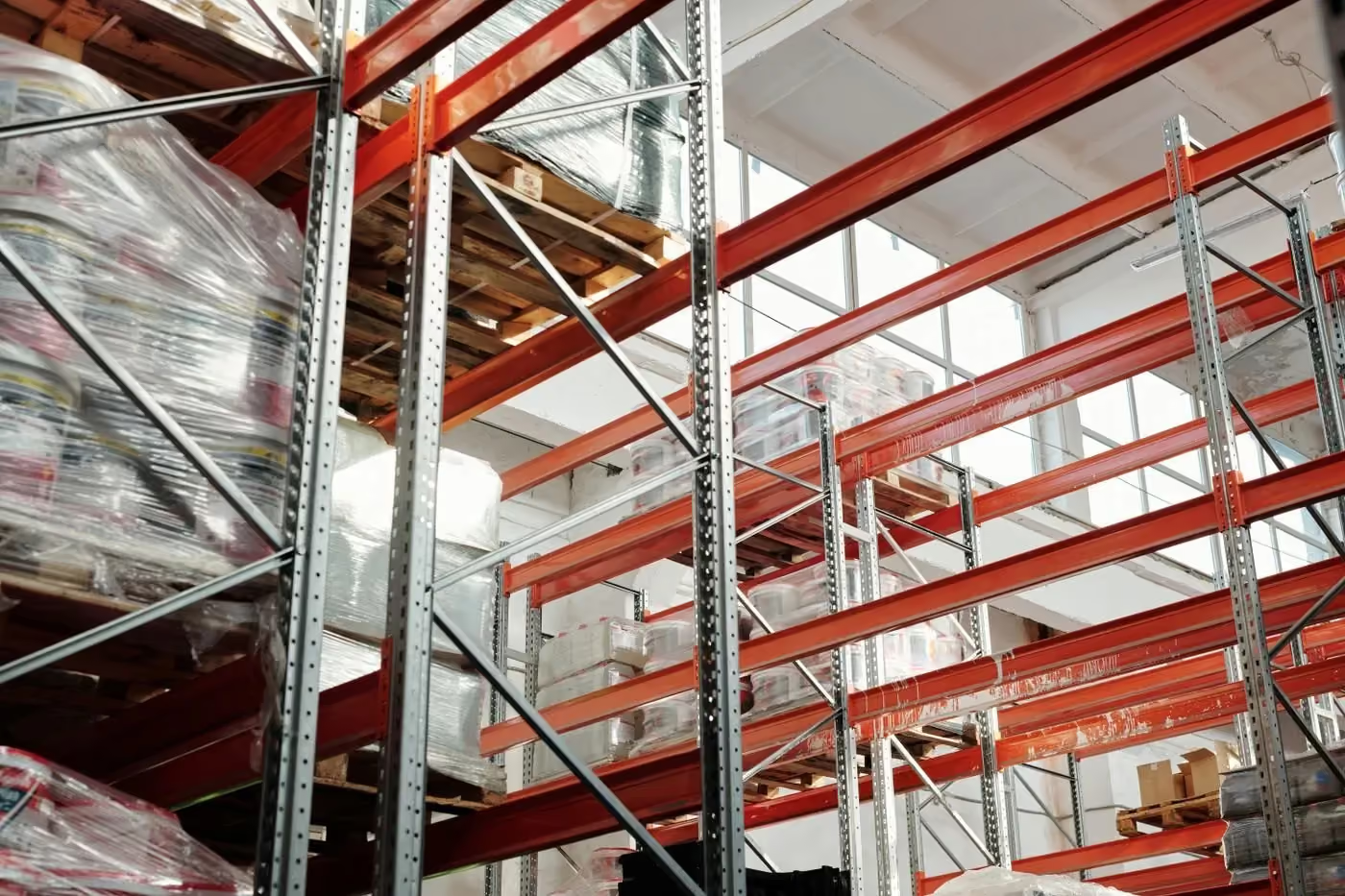
Cases arrive at the rate the upstream line sets and leave in the pattern the truck sets. Between those two the station picks, orients and stacks, and holds work when the next station stops.
Volume here is measured across a shift, not per cycle. A station that is quick but starves the palletiser behind it has not helped anybody.
.svg)

The case does. Weight and stiffness decide whether the tool is a vacuum head or a clamp, and how many cases it lifts at once.
Pallet pattern and stack height set reach far more than payload does. We draw the reach envelope against your actual pallet, not against a catalogue diagram.
Where the floor is shared with pedestrian traffic, the safety assessment covers the aisle as well as the cell.
A transfer rail with buffering, a palletising cell, or both tied into the same safety circuit. Length and pitch are cut from the cycle times either side of the station.
Height and hand-off are surveyed against the conveyor you already run. Where it stays in service, our rail meets it rather than replacing it.

Industry
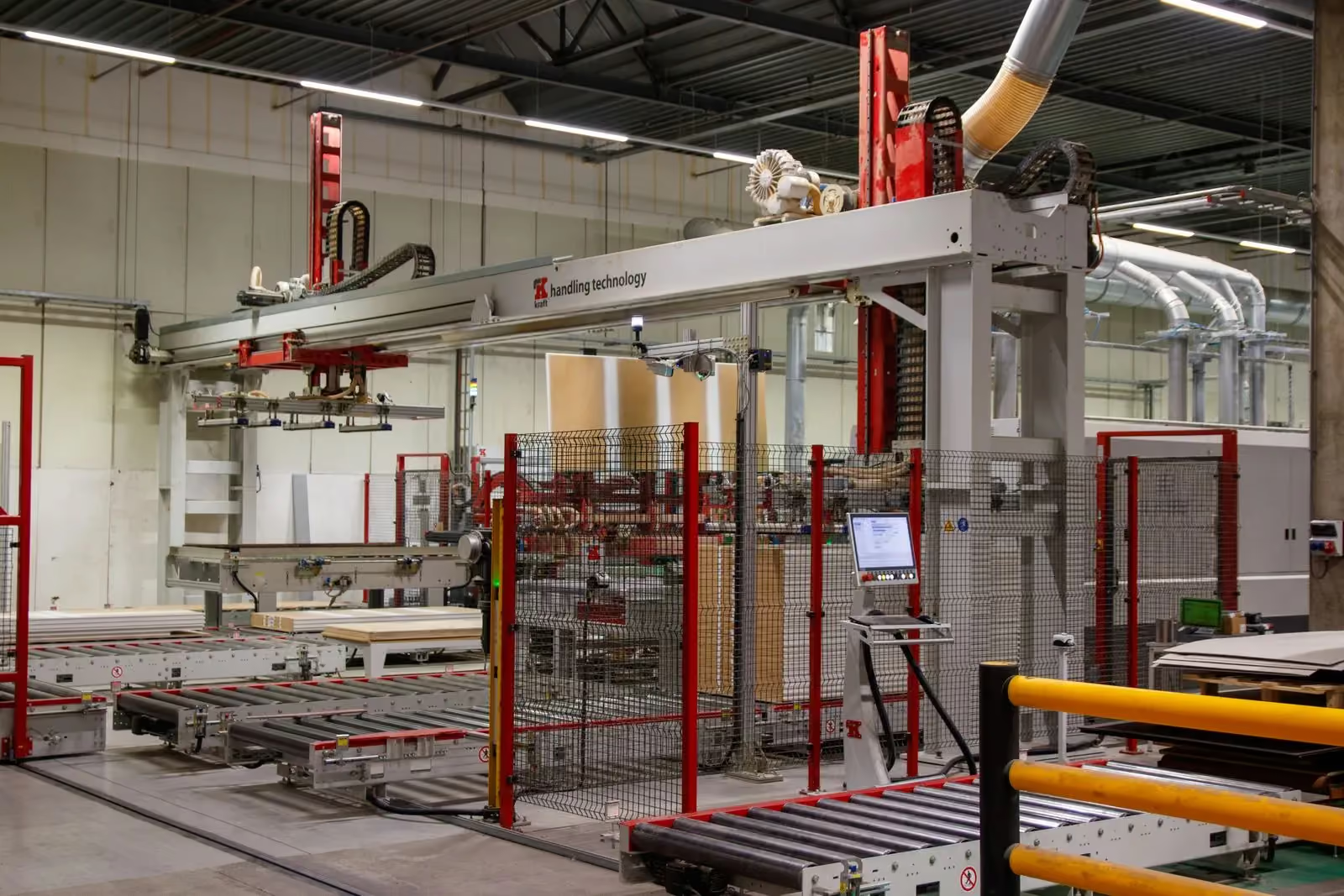
Industry
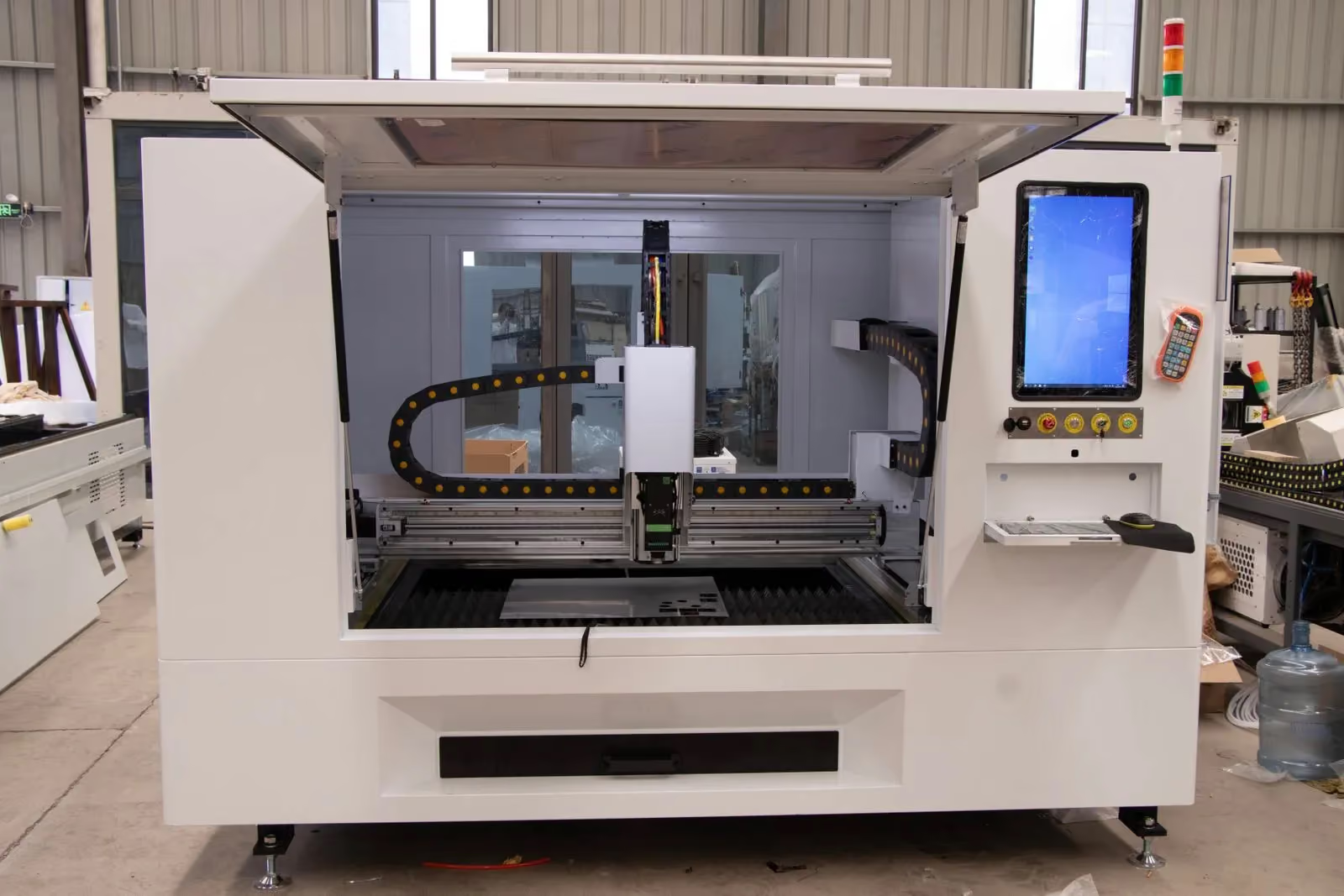
Industry
What engineers ask us whatever floor they run.
Can one supplier cover several of our plants?
.svg)
Who writes the safety assessment?
Do you visit the site before quoting?
What happens if our part changes next year?
Can you work to our plant's own standard?
Do you work outside these five industries?


.svg)
.svg)
.svg)
.svg)
.svg)
.svg)
.svg)