We tried to live a week without an algorithm
No recommended videos, no suggested posts, no personalised feeds. Just chronological lists and our own choices.
AL
Ada Lindqvist
Technology editor

For one week, three of us switched off every recommendation we could find. We used chronological feeds, turned off autoplay, deleted apps that could not be tamed, and found music by asking friends. We kept diaries.
Days one and two: boredom
The first thing we noticed was how much less there was to look at. Chronological feeds run out. Once you have seen what your friends posted, there is nothing more. It felt empty, and then it felt restful.
By day four I had to decide what I wanted, which turned out to be the hard part.
Days three to five: choosing
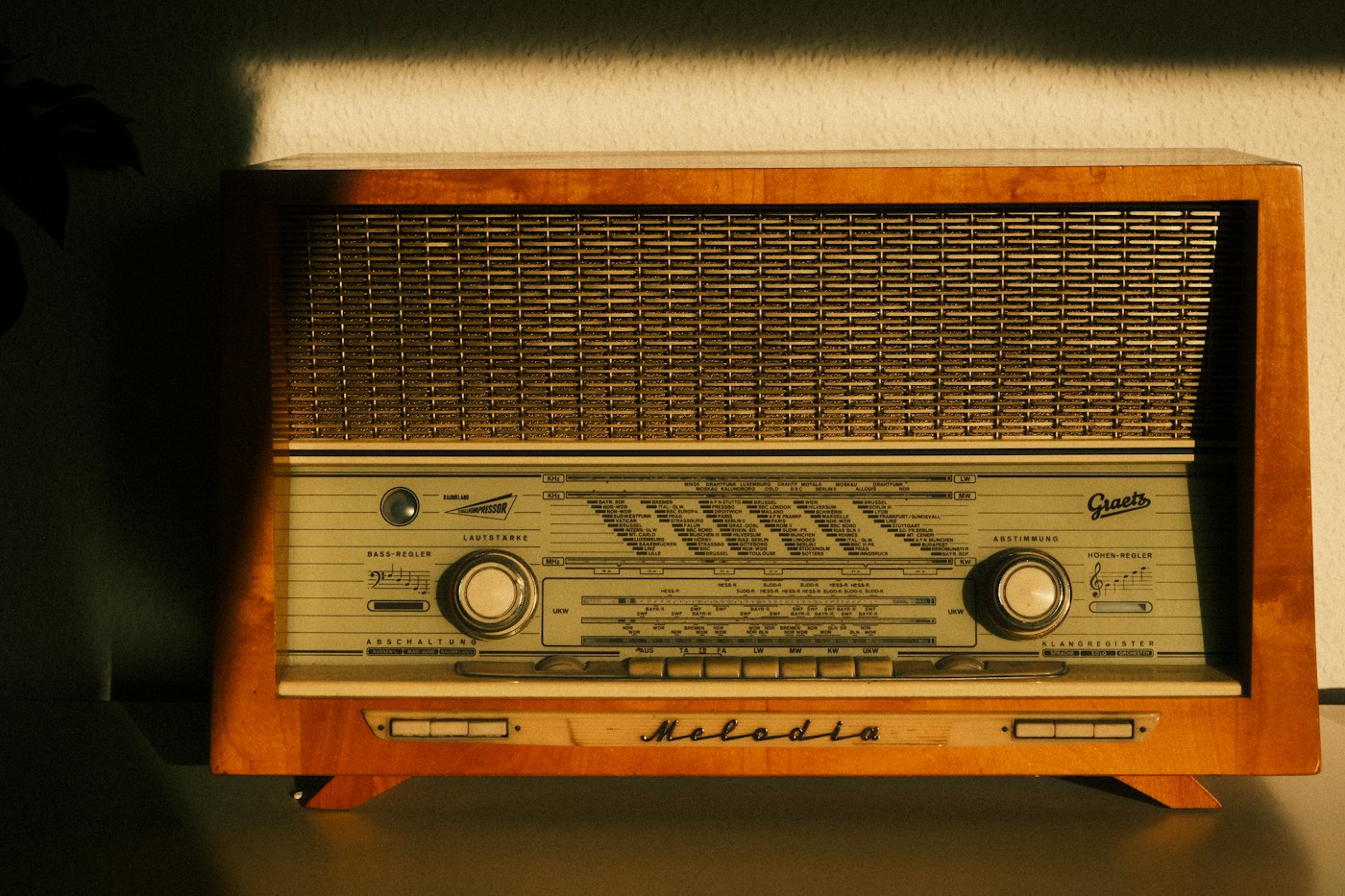
Without suggestions, we had to go looking. One of us rediscovered the radio. Another read a whole newsletter archive from a writer she liked. We all watched fewer videos, but remembered more of them.
What we kept afterwards
Autoplay stays off, for good.
Chronological feeds on the apps that allow it.
A short list of writers and channels we visit on purpose.
One evening a week with no screens at all, which two of us are still doing.
We did not quit algorithms for ever. Recommendations are genuinely useful for finding new things. But a week without them made it obvious how much of our attention we had been handing over without noticing.
Try a smaller version
You do not need a full week to feel the difference. Try one day without recommended content: use a chronological feed, search for things deliberately, and switch off autoplay. Note how often you reach for your phone, and what you actually wanted each time.
Most of us found the same thing: the urge to scroll was strongest when we were tired or waiting, not when we wanted something specific. Knowing that made it easier to replace the scroll with something small but chosen, like a saved article or a single song.
Algorithms are good at showing us more of what we already like. It turns out we are also quite good at that, given the chance, and we are better at surprising ourselves.
“By day four I had to decide what I wanted, which turned out to be the hard part.”
— Ada Lindqvist
AL
Written by
Ada Lindqvist
Ada explains how everyday technology works. She was a hardware engineer for a decade before switching to writing.

