%20(1).svg)
.svg)




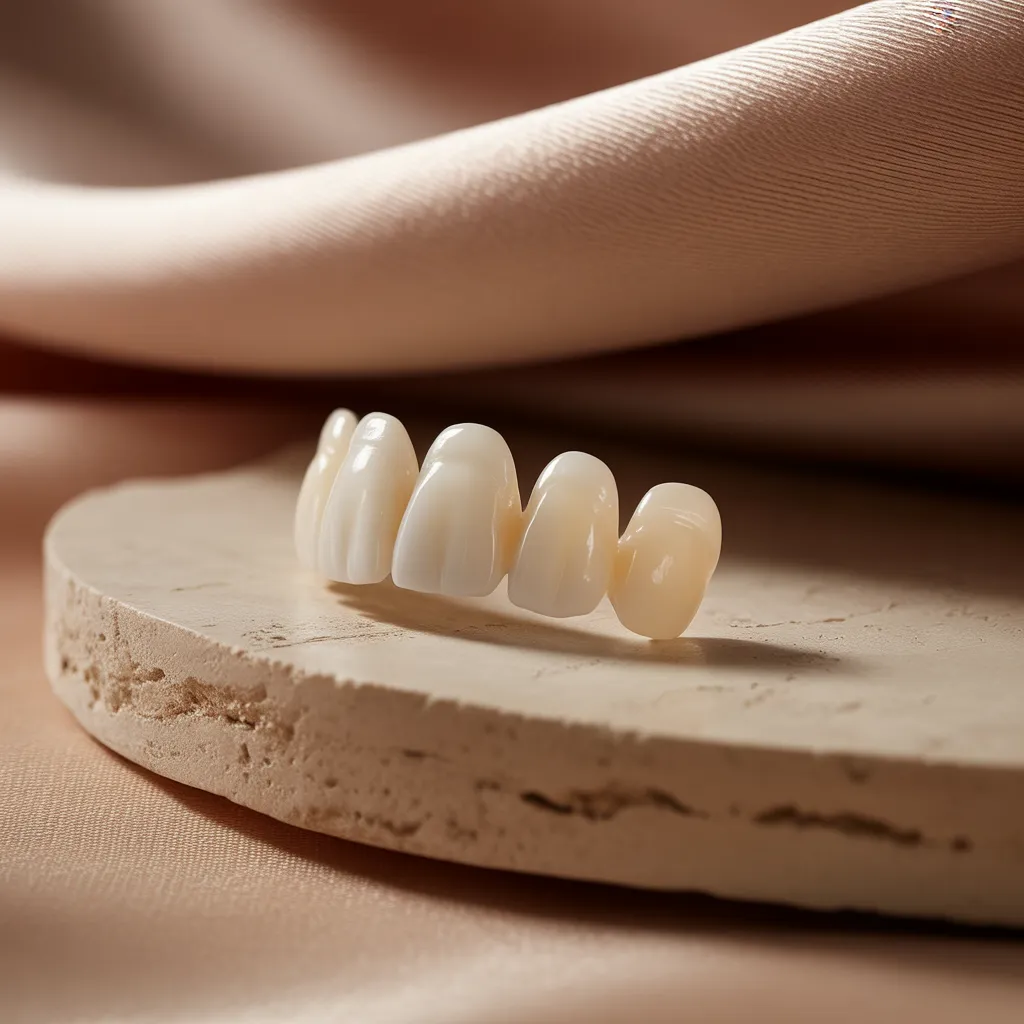
Veneers vs. Lumineers: Which One Is Right.
What Are Veneers and Lumineers?
Both veneers and Lumineers are thin shells placed over the front of teeth to improve color, shape, and alignment. They are commonly used to correct chipped, stained, uneven, or misshapen teeth and enhance overall smile aesthetics.
Key Difference: Thickness and Tooth Preparation
The biggest difference lies in how much of the natural tooth is altered.
Veneers:
- Typically thicker (around 0.5–1 mm)
- Require removal of a small amount of enamel for a natural fit
- Permanent and non-reversible
Lumineers:
- Ultra-thin (around 0.2 mm)
- Often require little or no enamel removal
- Sometimes reversible due to minimal preparation
These differences make Lumineers a more conservative option, while veneers offer a more transformative result.
Appearance and Results
Both treatments improve the look of your smile, but their results vary.
Veneers:
- Better at covering severe stains, chips, and structural issues
- Highly customizable for shape and color
- Provide dramatic cosmetic changes
Lumineers:
- Ideal for mild discoloration or minor imperfections
- May appear slightly bulkier in some cases
- Offer a more subtle enhancement
Because Lumineers are thinner, they may not conceal dark stains as effectively as traditional veneers.
Durability and Longevity
Veneers:
- Typically last about 10–15 years or longer with proper care
Lumineers:
- Usually last around 10–20 years, though durability can vary due to thinner material
Thicker porcelain veneers generally resist staining and damage better over time.
Cost Comparison
Prices vary based on location and complexity, but general ranges include:
- Veneers: often more expensive due to customization and preparation
- Lumineers: typically slightly cheaper and require fewer dental visits
Most cosmetic procedures are not covered by insurance.
Pros and Cons at a Glance
Veneers — Pros
- Long-lasting and durable
- Natural, highly customized appearance
- Effective for major cosmetic concerns
Veneers — Cons
- Require enamel removal
- Permanent procedure
- Higher upfront cost
Lumineers — Pros
- Minimal or no tooth reduction
- Less invasive procedure
- Potentially reversible
Lumineers — Cons
- May not hide severe discoloration
- Slightly less durable
- Not suitable for all dental cases
Which One Should You Choose?
The right option depends on your dental condition and expectations.
Choose Veneers if you:
- Want dramatic smile transformation
- Have severe stains, chips, or shape issues
- Prefer long-term durability
Choose Lumineers if you:
- Want a minimally invasive cosmetic improvement
- Have mostly healthy teeth with minor imperfections
- Prefer a reversible or conservative approach
A consultation with a cosmetic dentist is essential to evaluate your teeth, goals, and oral health before deciding.
Final Thoughts
Both veneers and Lumineers can dramatically enhance your smile. Veneers offer stronger, more transformative results, while Lumineers provide a gentler, less invasive alternative. The best choice depends on your budget, dental health, and desired outcome—so professional guidance is key to achieving the smile you want.