

Date
10
June
2026

Author
Green Building Alliance

Tags
Creative Design Ideas
As we approach the end of 2026, the architectural community is increasingly prioritizing sustainability in design. This shift is not merely a trend but a fundamental change in how we approach building and urban development. Architects are now tasked with creating spaces that not only serve their intended purpose but also contribute positively to the environment.
Innovative practices such as passive solar design, green roofs, and rainwater harvesting are becoming standard in new projects. These methods not only reduce the carbon footprint of buildings but also enhance the quality of life for their occupants.
One of the most exciting developments in sustainable architecture is the integration of nature into urban environments. Biophilic design principles are being adopted to create spaces that foster a connection between people and nature. This approach not only improves mental well-being but also promotes biodiversity in urban settings.
Architects are increasingly engaging with local communities to ensure that new developments meet the needs of residents. This collaborative approach leads to designs that reflect the cultural and social dynamics of the area, fostering a sense of belonging and ownership among community members.
Moreover, the focus on multifunctional spaces is gaining traction. Buildings that can adapt to various uses over time are essential in urban areas where needs can change rapidly. This flexibility not only maximizes the utility of spaces but also minimizes waste.
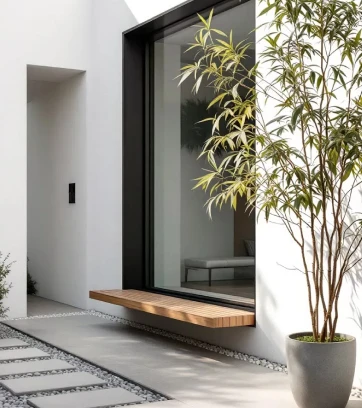
As we look to the future, the demand for sustainable architecture will only grow. Firms that embrace innovative practices and prioritize community engagement will lead the way in shaping resilient urban landscapes. For example, EcoVision, a pioneering firm, has successfully integrated renewable energy sources into their designs, setting a benchmark for future projects.
By focusing on sustainability, EcoVision not only enhances the aesthetic appeal of their buildings but also contributes to a healthier planet, inspiring others in the industry to follow suit.